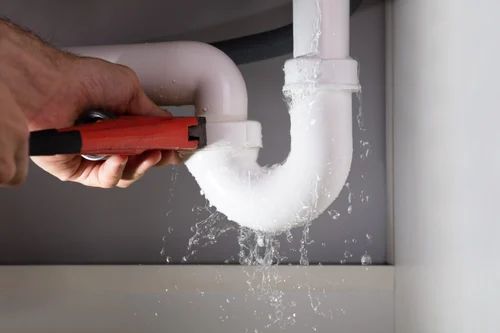
When a pipe bursts, identify the source and contain the spread with swift, calm actions. Shut off the main water supply quickly, then assess what is damaged and secure the area. Call a licensed plumber or emergency responder and document the scene with notes or photos. Begin immediate cleanup after the water stops, dry affected valuables, and plan for permanent repairs while preparing insurance information. The right steps now set a clear path forward, even as uncertainty remains.
Identify the Burst and Stop the Spread Safely
In the event of a burst, quickly locate the source and assess its immediate danger. The focus is on burst assessment and rapid action. Identify the compromised section, start water containment, and isolate the affected area. Implement safety protocols, monitor for leaks, and note emergency timing. Clear, decisive steps prevent damage while preserving accessibility to relief options.
Shut Off Water Quickly and Then Assess What’s Damaged
Shut off the main water supply immediately to halt further flow, then assess the extent of damage in the affected area. The process emphasizes burst detection and a careful survey of moisture, pooled water, and compromised components. Afterward, implement a temporary containment plan, document affected zones, and prepare for permanent repairs with a clear water shutoff record and prioritized actions.
Call the Right Help and Begin Immediate Cleanup
After stopping the water, the focus shifts to locating reliable help and initiating prompt cleanup. The narrator emphasizes identify water pressure to gauge damage and prevent escalation.
Then locate plumbing repair professional and secure emergency contacts immediately.
Select licensed responders, document uncertainties, and begin temporary containment.
Maintain safety, protect valuables, and start drying where feasible while awaiting professional assessment.
Prevent Future Bursts and Document the Loss for Insurance
Preventing future bursts and documenting losses for insurance require a focused, methodical approach: identify potential failure points, implement concrete corrective measures, and establish thorough损记录 to support claims.
A detached analysis considers flood risk factors, schedules proactive pipe inspection, replaces aging components, and applies corrosion protection.
Documented incidents, photos, and timelines streamline claims, guiding risk reduction and resilient home restoration with disciplined, measurable steps.
Frequently Asked Questions
Can I Prevent Mold After a Burst Pipe?
The answer: Yes, one can prevent mold after a burst pipe. Implement moisture control strategies, follow heat drying guidelines, document all steps for insurance purposes, and maintain rapid remediation to minimize damage and preserve home freedom from mold.
How Long Does It Take for Water Damage to Appear?
Water damage typically becomes visible within 24 to 72 hours, though unseen moisture can persist longer. Professionals apply drying techniques and monitor moisture timing to prevent secondary issues, ensuring controlled dehumidification and scalable, freedom-respecting remediation.
Should I Use a Heater or Fan During Cleanup?
He should evaluate conditions, but generally heater usage is discouraged during cleanup due to fire risk; use a fan instead for moisture control. Ensure fan safety by keeping cords clear, avoiding water contact, and monitoring heat exposure.
Can I File an Insurance Claim Without a Police Report?
Given the insurance claim requirements, a policyholder may file without a police report, but insurers often expect one; police report necessity depends on claim type and jurisdiction, so verification with the provider is essential, ensuring documentation and timely submission.
What Tools Are Essential for Quick Temporary Fixes?
Essential tools for quick fixes include a wrench, pliers, adjustable pipe cutter, silicone sealant, epoxy putty, duct tape, rubber clamps, bucket, towels, and a flashlight. The approach remains practical, precise, and authoritative for freedom-seeking readers.
Conclusion
When a pipe bursts, decisive action minimizes damage and expense. Identify the source, shut off the main water supply, and assess what is compromised before initiating containment. Call a licensed plumber or emergency responder promptly, then begin safe cleanup after water stops. Dry valuables, document everything with photos and timelines, and secure temporary repairs as you prepare for permanent fixes and insurance claims. This disciplined, practical approach reduces risk, restores safety, and supports swift recovery.