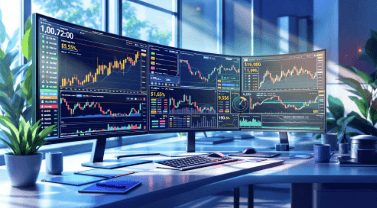
Crypto traders rely on a cohesive toolkit of real-time data feeds, robust order management, and transparent analytics. The focus is on modular, interoperable components that scale with risk and latency demands. Automation, alerts, and guards aim to curb emotional bias while preserving objective signals. Practical workflows stress setup, monitoring, and review, with documented risk tolerance and predefined exits. The path forward remains nuanced, and the next steps invite deeper examination of how these tools harmonize under pressure.
What Tools Do Crypto Traders Need Most
Crypto traders require a core set of tools to monitor markets, manage risk, and execute decisions efficiently. Essential components include real-time data feeds, robust order management, and transparent analytics. Traders should integrate liquidity profiling to gauge market depth and resilience. Understanding trading psychology helps maintain discipline under stress. A forward-looking toolkit emphasizes interoperability, security, and modularity for adaptable, freedom-minded strategies.
How to Pick a Charting and Data Stack That Fits You
Selecting a charting and data stack hinges on aligning a trader’s workflow with reliable real-time feeds, flexible visualization, and scalable analytics, all while prioritizing security and interoperability.
The analysis guides choices toward clear charting priorities and robust data integration, emphasizing modularity, cost transparency, and vendor interoperability.
Practitioners weigh data quality, latency, and customization to support disciplined, freedom-oriented decision-making.
Automating Trades: Bots, Alerts, and Risk Guards
Automating trades combines programmable bots, real-time alerts, and risk controls to enforce disciplined execution. The system supports objective signals, minimizes emotional bias, and enables scalable entry/exit rules. Data-driven assessments of performance and drawdown guide adjustments without manual drift.
For freedom-minded traders, transparency and auditability are essential, ensuring confidence in automated workflows while guarding against overfitting and unexpected market shifts. bots alerts, risk guards.
Two word ideas: System Guard, Insight Drift.
Practical Workflows: From Setup to Risk Management and Review
Practical workflows translate theory into repeatable practice, detailing setup steps, risk controls, and review mechanisms that sustain disciplined trading.
The approach emphasizes documented risk tolerance, precise position sizing, and predefined exit strategies, enabling predictable outcomes.
Automated trading components reduce data latency impact, yet require rigorous monitoring; ongoing review adjusts parameters to align with evolving market conditions and the trader’s freedom-oriented objectives.
See also: What to Do When Your Pipes Burst
Frequently Asked Questions
How Do You Evaluate Exchange Liquidity Before Trading?
The evaluator notes that liquidity is assessed by how to read order books and how to measure market depth, emphasizing cautious, data-driven signals; it projects future liquidity shifts while preserving an audience’s desire for freedom and informed risk awareness.
What Are the Hidden Costs of Using Crypto Data Feeds?
Hidden fees quietly accompany crypto data feeds, while latency impact erodes timeliness. The report notes cautious, forward-looking implications: costs accrue over time, transparency improves, and freedom-minded traders should demand clear pricing, robust SLAs, and verifiable data provenance.
Which Security Practices Prevent Exchange API Theft?
Security practices mitigate API theft by implementing strong authentication, least privilege access, and encrypted channels; continuous monitoring detects anomalies. The approach remains forward-looking, data-driven, and cautious, appealing to readers valuing freedom while emphasizing proactive, defense-focused safeguards against compromises.
How Often Should You Backtest Your Trading Strategies?
A recent study shows that backtesting cadence significantly influences perceived robustness. Backtesting cadence should be regular, not sporadic, to gauge strategy robustness accurately; tested quarterly, semi-annually, or monthly offers different insights for forward-looking, freedom-seeking traders.
What Legal Considerations Affect Automated Trading Globally?
Legal considerations for automated trading globally hinge on regulatory compliance and cross border licensing, with jurisdictions increasingly mandating transparent engine controls and reporting. The analysis remains data-driven, cautious, forward-looking, and appeals to audiences seeking freedom.
Conclusion
In sum, crypto trading benefits from a disciplined stack: real-time data, modular tools, and robust risk controls. The most effective setups balance scalability with transparency, enabling automated actions without surrendering oversight. By documenting risk tolerances, predefined exits, and audit trails, traders create a defensible path through volatility. Look forward to tighter integration and smarter guards, as data-driven defaults become standard. Like a compass in a storm, a well-constructed system keeps direction when markets whirl.