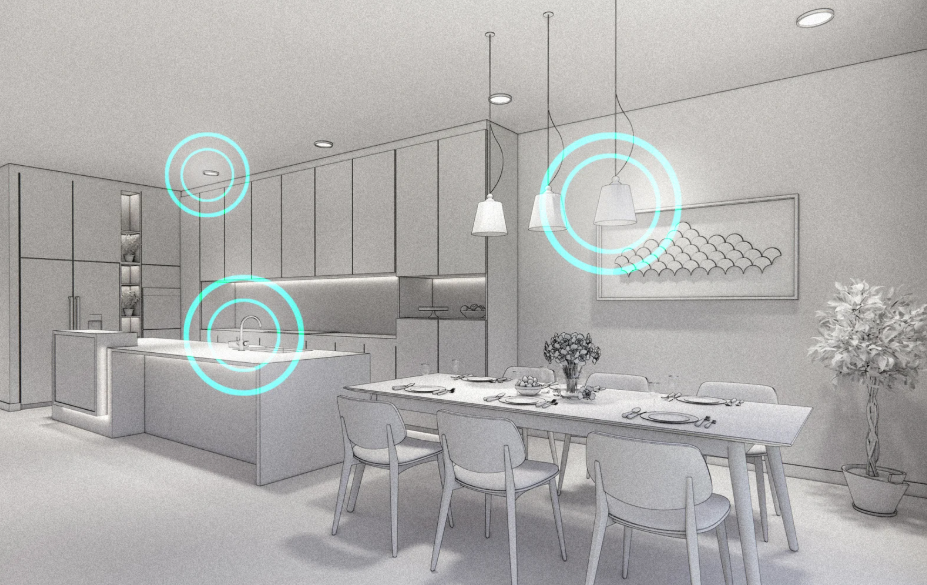
Smart automation quietly handles routine tasks through connected devices and algorithms. It aims to anticipate needs, optimize resources, and streamline workflows while preserving human oversight. The approach balances convenience with autonomy and privacy. Key questions emerge: how to ensure data minimization, local processing where possible, and transparent settings. Start small with scalable, privacy-respecting setups. Ambiguities remain about where control lies as systems grow more capable, inviting careful evaluation of benefits versus trade-offs.
What Smart Automation Means for Daily Life
Smart automation reshapes daily life by handling routine tasks with minimal human input, enabling people to focus on more meaningful activities. It operates through interconnected devices and algorithms that anticipate needs, manage resources, and streamline workflows.
This shift elevates autonomy while preserving control. However, privacy protection and security considerations must guide deployment to sustain trust, resilience, and freedom in everyday routines, consistently.
See also: pmumondial
How to Choose Safe and Privacy‑Respecting Smart Tech
When selecting smart devices, readers should assess safety and privacy as foundational criteria rather than afterthought considerations.
The approach favors transparent data practices, verifiable security features, and clear user controls.
Privacy concerns should guide product selection, with emphasis on data minimization and local processing where possible.
Evaluation includes best-practice privacy policies, regular updates, and robust consent mechanisms for informed, autonomous use.
Balancing Convenience With Autonomy in Home Routines
Silent routines minimize disruption, enabling consistent performance without constant prompts.
Ambient automation supports background efficiency, yet must allow overrides and clear status signals.
The aim is reliable convenience paired with deliberate, controllable autonomy for freedom-minded households.
Practical Setups to Start Today Without Overhauling Your Life
To implement automation now without disrupting daily life, practical setups focus on incremental changes that require minimal lifestyle disruption. The approach favors scalable, low-friction devices and routines, enabling quick wins while preserving autonomy. Evaluations emphasize privacy tradeoffs, ensuring data minimization and clear controls.
Steps prioritize automation in routines, notifications, and energy use, with transparent onboarding and reusable configurations for flexible freedom.
Frequently Asked Questions
How Do I Start Using Smart Assistants in Shared Living Spaces?
A cautious approach begins with shared calendars, enabling coordinated scheduling. They should start with shared calendars, set group voice profiles, use guest modes, review device permissions, and maintain clear boundaries to preserve freedom while enabling practical smart assistant use.
What Are the Hidden Costs of Smart Home Devices?
Hidden costs loom like a megatower: privacy tradeoffs and data ownership emerge as constants, not optional add-ons. The analysis shows ongoing fees, firmware updates, and service dependencies, demanding informed budgeting, cautious consent, and freedom-conscious device selection.
Can Automation Replace Human Judgment in Daily Tasks?
Automation cannot fully replace human judgment in daily tasks; instead, automation ethics require maintaining human oversight to handle nuance, accountability, and value-driven decisions while preserving individual freedom and context-sensitive adaptability.
How Can I Secure My Data From Smart Device Breaches?
A striking 68% of breaches involve compromised credentials. He/she notes that securing data from smart device breaches relies on data encryption and frequent software updates, plus strong passwords, device segregation, and regular privacy audits for freedom-minded users.
Do Smart Devices Learn My Routines Over Time?
Do smart devices learn routines over time? Yes, they can detect patterns, adapt schedules, and optimize responses. However, users should scrutinize data practices, disable unnecessary learning, and balance convenience with privacy to maintain autonomy and freedom.
Conclusion
In the quiet hum of connected routines, everyday life mirrors a well-tended garden: automation acts as a careful trellis, guiding growth without crowding the soil of choice. Like distant constellations, signals illuminate paths yet remain faint, preserving autonomy. Privacy-conscious design serves as a sturdy fence, screening excess while inviting cooperation. When systems anticipate needs and respect limits, energy flows become predictable, freeing attention for deliberate tasks. The result is consistent efficiency, balanced by clear oversight and human discernment.